Getting into 3D printing can feel a bit overwhelming at first, but don’t worry! It’s easier than you might think. If you’re thinking about starting a small business with a 3D printer, here’s a simple roadmap to get you going.
First off, choose the right printer for your needs. There are so many options out there, from budget-friendly models to high-end machines. If you’re just starting, a simple desktop printer can be great. Look for one that’s user-friendly, has a good community for support, and can handle a variety of materials.
Next, dive into the basics of 3D modeling software. You’ll want to create designs for your products. Programs like Tinkercad and Fusion 360 are perfect for beginners and offer plenty of tutorials to help you learn. You don’t need to be a design whiz to get started; just experiment and have fun with it!
Once you have your printer and some design skills under your belt, it’s time to grab some materials. Filament is what you’ll use to print, and there are lots of colors and types available. PLA is a great starting point since it’s easy to work with and eco-friendly. Just remember to stock up, so you won’t run out while getting those first prints going!
Finally, don’t forget to network with other 3D printing enthusiasts. Join online communities or local maker spaces. It’s a fantastic way to learn new tips, share your creations, and even get some feedback on your designs. Plus, you might find potential customers or collaborators along the way!
Choose the Right 3D Printer
Choosing the right 3D printer can feel a bit overwhelming, but it doesn’t have to be. Think about what you want to create and how often you plan to print. If you’re just starting out, a reliable printer that’s easy to use is a great choice. You’ll want something that offers good quality without breaking the bank.
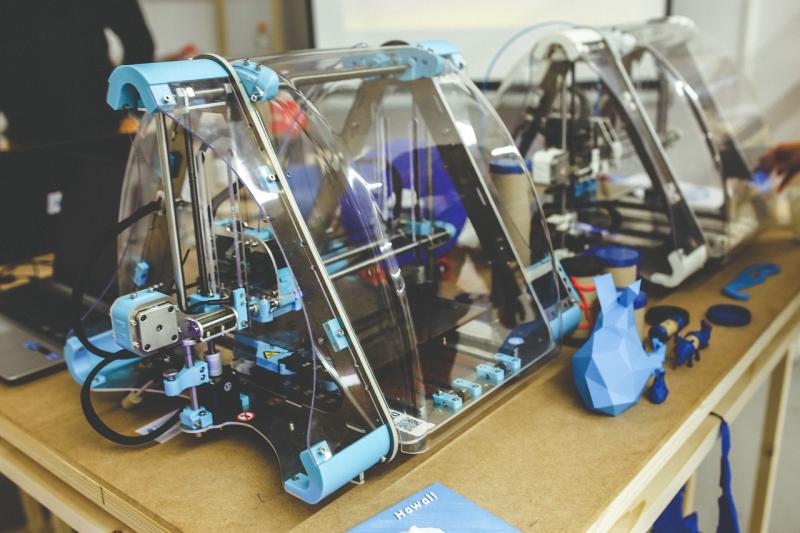
There are different types of 3D printers out there. FDM (Fused Deposition Modeling) printers are super popular among beginners. They work by melting plastic filament layer by layer, and they’re great for making prototypes, tools, or even toys. On the other hand, resin printers can give you lovely, detailed prints but can be a bit trickier to operate and maintain. Pick what fits your project needs best!
Don’t forget about size! If you plan on creating larger items, check the build volume. A compact printer is perfect for small designs, but larger projects need more space. There are also printers with strong materials for heavy-duty items and those that handle lighter materials for creative designs. Think about your future projects and pick accordingly!
Finally, be sure to look for a printer that has a good community and support. Some brands are super popular, which means you’ll find tons of resources, tips, and help online. This can really speed up your learning curve. A supportive and active community can make your experience a lot less daunting as you navigate the exciting world of 3D printing!
Creating Your First Product
Getting started with your first 3D printed product can feel a bit overwhelming, but it’s super exciting too! First things first, think about what you want to create. Do you have a hobby, need a specific tool, or want to make a gift? Jot down your ideas and pick one to focus on. This helps narrow down your options and make the whole process way easier.
Once you have your idea, it’s time to design it. You don’t have to be a master at 3D design; there are plenty of user-friendly software options out there. Programs like Tinkercad or Fusion 360 are great for beginners. They have tutorials and intuitive interfaces that can help you get your design just right. Focus on the dimensions and make sure it’ll fit your needs.
After you’ve nailed down the design, it’s time to prepare for printing. Check your printer settings to match the materials you'll use. If you're not sure, start with PLA—it’s easy to work with and perfect for beginners! Load your design into the slicer software, set the parameters like layer height and infill, and slice it. This will convert your model into a format your printer can understand.
Now, it’s printing time! Monitor the print during those first few layers to make sure everything sticks and flows smoothly. You might learn a lot by watching how your printer works. Once it’s done, give your product a little clean-up and finish, if necessary. Don’t be afraid to experiment; each print is a chance to learn and improve!
Market Your 3D Printed Creations
So, you’ve got your shiny new 3D printer, and you're whipping up all sorts of cool stuff. Now, how do you get those creations out into the world? Marketing your 3D printed goodies doesn’t have to be rocket science. Let’s break it down!
First off, leverage social media. Platforms like Instagram and Pinterest are gold mines for visually appealing products. Snap some great pictures of your creations and share the story behind each piece. People love knowing what inspires the designs, and a good backstory can help your products stand out.
Consider setting up an online shop. Websites like Etsy or Shopify make it super easy to showcase and sell your items. Make sure to write engaging descriptions and use tags to help potential buyers find what they’re looking for. Don’t forget about good shipping practices; delivering your products in perfect shape keeps buyers coming back.
Another way to get the word out is to engage with local communities. Attend craft fairs, market events, or maker fairs where you can show off your work in person. You’ll meet other makers and potential customers who are passionate about handmade and unique products. Plus, it’s a fantastic way to network!
Lastly, don't shy away from asking for feedback. Encourage customers to leave reviews or share photos of your products in use. Positive testimonials are powerful for attracting new buyers. Remember, every sale is a chance to build relationships, so keep the communication open and show your customers some love!