When diving into the world of 3D printers, it’s key to know there are different types to choose from. Each one has its quirks, strengths, and uses. Let’s break down the most popular types to help you find your perfect match.
FDM (Fused Deposition Modeling) is the most common type out there. This is where melted plastic is laid down layer by layer to create your object. It's great for beginners and hobbyists because it’s generally cheaper, widely available, and pretty easy to work with. You can use a variety of materials, and the printers are usually user-friendly.
SLA (Stereolithography) printers use resin instead of plastic. They shine a laser to harden liquid resin into a solid layer. SLA printers are fantastic for detailed prints, making them super popular for jewelry and miniatures. Just keep in mind that they can be a bit pricier and the resin can be messier to handle.
SLS (Selective Laser Sintering) printers are a bit more advanced. They use a laser to fuse powdered material, usually nylon, into a solid structure. This method is awesome for creating strong and functional parts, often used in industries like aerospace or automotive. On the flip side, SLS printers can be hefty on the wallet and often require more setup to run.
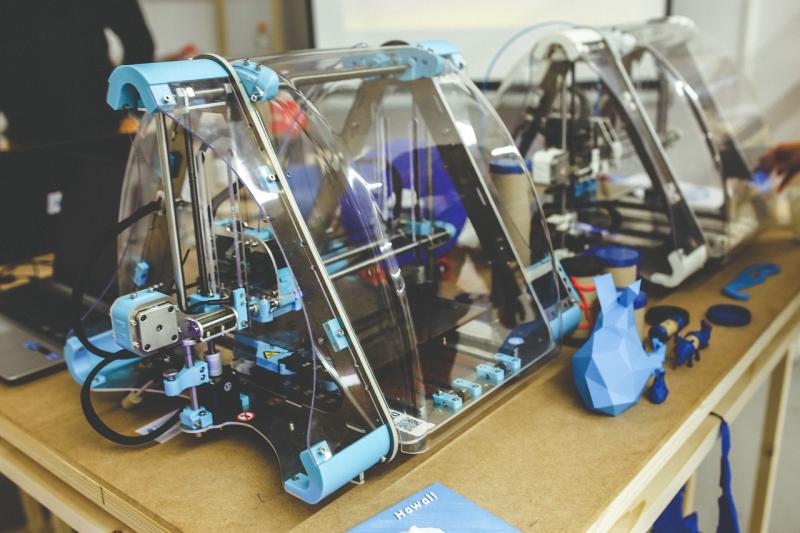
One more type to mention is DIY Kits. If you love tinkering, these can be a fun choice. You get to build your printer from scratch, which means you can customize it to fit your needs perfectly. Just remember, if you go this route, you’ll need a bit of patience and technical know-how.
Essential Features to Look For
When you're diving into the world of 3D printers, it's super important to know what features to look for. Not all printers are created equal, and the right features can make your printing journey a lot smoother. Here’s a quick rundown of essential features to keep in mind.
Build Volume: Check the build volume, which tells you the maximum size of the object you can print. If you're dreaming of making larger models, go for a printer with a bigger build area. This makes a huge difference when you want to create something intricate or multi-part.
Print Quality: Pay attention to the resolution. Look for printers that can deliver high print quality, measured in microns. Lower numbers mean finer details. If you want your creations to look polished and professional, invest in a printer that offers high-resolution prints.
Material Compatibility: Think about what materials you want to use. Some printers only work with specific filaments like PLA or ABS. Others can handle a wider range, including flexible filaments or specialty materials. Choose a printer that matches your creative style.
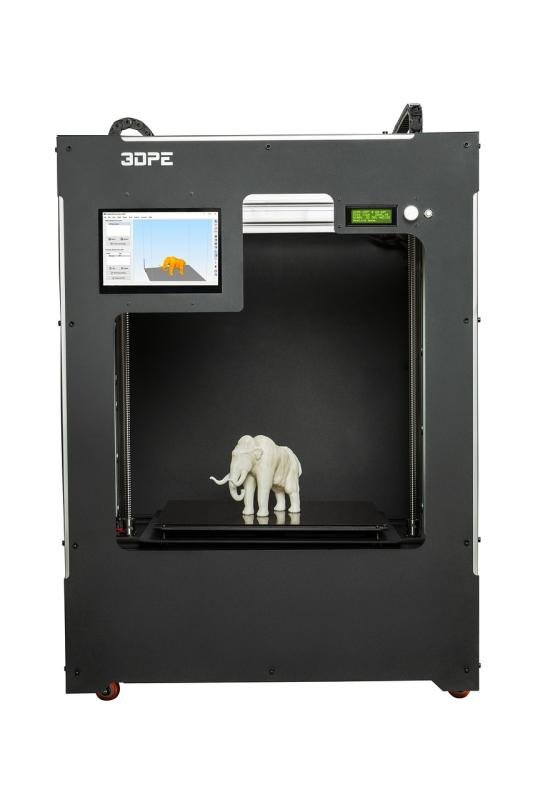
User-Friendly Features: Look for a printer that's easy to operate. Features like a touchscreen interface, auto bed leveling, and easy assembly can save you time and frustration. If you're new to 3D printing, a printer that’s user-friendly will make your experience way better.
Getting Started with 3D Printing
Getting into 3D printing is an exciting adventure! You don't need to be a tech whiz to start creating amazing things. First off, you need a 3D printer. If you're just starting out, look for a beginner-friendly model that balances price and features. Brands like Creality and Prusa offer solid options that won't break the bank.
Once you have your printer, download some slicing software. This is the magic tool that converts 3D models into instructions your printer can understand. Popular ones like Cura or PrusaSlicer are user-friendly and packed with features. You can find a ton of free 3D models online at sites like Thingiverse or MyMiniFactory. Choose a simple design to kick things off.
Before hitting that print button, make sure to prepare! Level the printer bed properly for the best results. A good starting point is to familiarize yourself with the printer's settings like temperature and print speed. Don’t sweat it if things go wrong at first; it happens to everyone! Just keep experimenting and tweaking settings.
Lastly, get into the community! Join forums or social media groups where fellow 3D printing enthusiasts hang out. You'll find advice, inspiration, and perhaps even some new friends along the way. 3D printing can be a hobby, a way to bring your ideas to life, or even a career path. The options are endless, and that's what makes it so fun! Get ready to create something incredible!
Tips for Maintaining Your Printer
Taking care of your 3D printer can make a huge difference in its performance and lifespan. Here are some handy tips to keep it running smoothly.
First things first, keep it clean. Dust, filament debris, and leftover materials can build up and cause problems. Give your printer a good wipe down regularly, especially around the nozzles and build plate. A soft brush or compressed air works wonders for those hard-to-reach spots.
Next, check the bed leveling. A well-leveled print bed is crucial for getting good prints. If your prints are sticking too much or not enough, it might be time to re-level the bed. Most printers have a simple process for this, so don’t skip it!
Lubrication is key too. A bit of oil on the moving parts can help reduce wear and tear. Just a few drops on the rods and bearings should do the trick. Make it a habit to check this every few weeks, depending on how much you print.
Lastly, keep an eye on the filament. Store it properly in a cool, dry place to prevent it from absorbing moisture, which can affect print quality. If you notice any issues, like bubbles or brittleness, it might be time to invest in some fresh filament.